Last updated October 2026. Written by the BoostingXP team, who run BoostingXP's Counter-Strike 2 services.
Key takeaways
- The loss bonus climbs from $1,400 to $3,400 in $500 steps with each consecutive loss.
- A round win drops the loss bonus one step. It doesn't reset it to the bottom.
- Full buy together, save together, force together. Split buys win the fewest rounds.
- Plan two rounds ahead: this round's buy should set up the next one.
- Count the enemy's losses to guess their buy before the round starts.
This CS2 economy guide covers the part of Counter-Strike 2 that's decided before the first shot: what each team can afford. Teams that manage money together win more rounds with the same aim, because they fight with rifles and utility more often than their opponents do.
| Round type | When | What you buy |
|---|---|---|
| Full buy | The whole team can afford rifles, armor and utility | Rifles, full armor, complete utility |
| Eco (save) | The team can't full buy this round | Little or nothing; keep money for next round |
| Force buy | A save won't set up a full buy, or the round decides the half | Cheaper guns, armor, some utility |
| Half buy | Rarely worth it | Too weak to win, too expensive to save |
How does money work in CS2?
You earn money for winning rounds, for kills (the amount depends on the weapon), and for objective actions such as planting the bomb. Losing a round pays a loss bonus that grows with every consecutive loss:
| Consecutive losses | Loss bonus |
|---|---|
| 1 | $1,400 |
| 2 | $1,900 |
| 3 | $2,400 |
| 4 | $2,900 |
| 5 or more | $3,400 |
Winning a round doesn't wipe that streak. It drops the loss bonus one step, so a team that wins once after five losses and then loses again gets $2,900, not $1,400.
Two consequences matter most:
- Losing several rounds in a row still pays, because the loss bonus climbs.
- One won round barely dents the bonus, so a team on a losing streak can often afford to force one round and still full buy the next.
When should your team full buy?
When every player can afford a rifle, armor and a reasonable set of utility. A full buy is the round your team is most likely to win, so make sure everyone has the money for it at the same time.
If one or two players are short, it's often better for the whole team to save one more round so everyone buys together. Players with extra money can also drop a rifle to a teammate.
When should you save?
Save when the team can't full buy this round but will be able to next round. An eco keeps money for the next buy and lets the loss bonus climb.
- Buy little or nothing: a pistol and armor at most, depending on the side and the money.
- Stack a site together and look for picks, or save weapons you already have.
- Don't throw a full kit away late in a lost round. Saving a rifle helps the next round.
When is a force buy worth it?
Force when saving wouldn't set you up for a full buy anyway, when the round decides the half or the match, or when the enemy is on a weak buy you can beat with cheaper weapons.
A good force has the whole team buying the same cheaper weapons and some utility, not a mix of rifles and pistols.
Why are split buys so bad?
Because half the team is under-equipped for this round and the other half has spent money it needed for the next one. A split buy is usually too weak to win and too expensive to save.
The fix is communication: agree on the buy before freeze time ends.
How do you track the enemy's money?
Watch what the enemy used last round and count their losses. A team that just lost two in a row is probably saving or forcing; a team that just won is probably on a full buy.
- If the enemy is saving, expect a stack or a rush for picks, and don't give up rifles cheaply.
- If the enemy is forcing, play for trades at range, where rifles beat cheaper guns.
Which economy mistakes cost the most rounds?
- Buying alone when the team is saving.
- Dropping utility to afford a slightly better gun.
- Forcing every round, which keeps the team too poor to ever full buy.
- Not dropping weapons to teammates who can't afford one.
- Ignoring the loss bonus when deciding whether to save.
How do you make better buy calls?
- Name one player to make the buy call every round.
- Plan two rounds ahead: this round's buy should set up the next.
- On a winning streak, buy utility generously; on a losing streak, protect the next full buy.
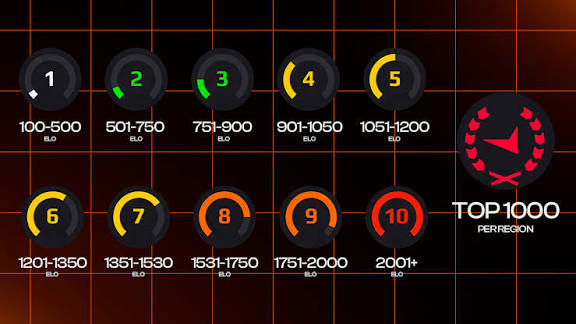
The same buy-as-a-team logic decides rounds in Valorant, covered in our Valorant ranked guide. For something lighter, our CS2 bomb sticker craft ideas are on the same blog, and all of our CS2 services are on the Counter-Strike 2 services page.
Stuck on a rating that doesn't fit?
If your Premier rating doesn't reflect how you play, a CS2 Premier boost is played by hand from your current rating, and a FACEIT rank boost does the same for FACEIT levels.
FAQ
What is an eco round in CS2?
A round where the team spends little or nothing to save money for a full buy next round.
How does the loss bonus work in CS2?
Each consecutive round loss raises the money you get for losing, from $1,400 up to a cap of $3,400 in $500 steps. Winning a round lowers it by one step instead of resetting it.
When should you force buy in CS2?
When saving won't give the team a full buy next round anyway, when the round is critical, or when the enemy is on a weak buy you can beat with cheaper weapons.
Should the whole team buy together in CS2?
Yes. Full buys, saves and forces all work best when the whole team does the same thing in the same round.
Why is a half buy bad in CS2?
It usually leaves the team too weak to win this round and too poor to full buy the next, the worst of both.